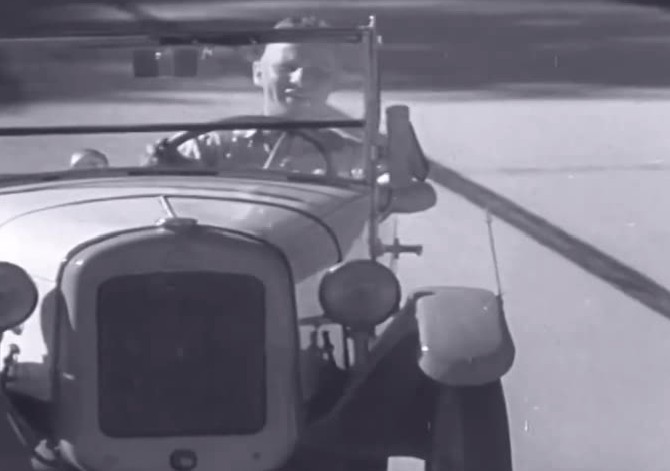

ROADS BRING JOY (1939):
Roads Bring Joy is a short film that presents an ideological overview of the Reich's highway construction. The film highlights technological progress, frames the Autobahn as a solution to unemployment, and promotes a utopian vision of a motorized, prosperous German life.
In German with optional English subtitles. Approx. 13 mins. See film sample for audio and video quality!

ALLES LEBEN IST KAMPF (1937):
Alles Leben ist Kampf (All Life is Struggle) is a 1937 propaganda film directed by Herbert Gerdes and Werner Hüttig. Produced by the Nazi Party's Office of Racial Policy (Rassenpolitisches Amt), this short documentary relies heavily on Social Darwinism to justify eugenic policies, specifically forced sterilization and the containment of disabled individuals.
In German with optional English subtitles. Approx. 25 mins. See film sample for audio and video quality!
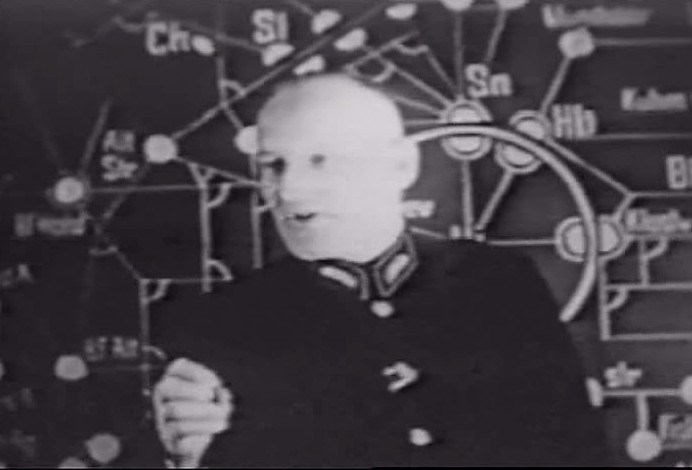
ARBEITSMAIDEN IM KRIEGSHILFDIENST (1939):
Propaganda short made by UfA in cooperation with RAD. It was released shortly after the outbreak of the Second World War to prepare young German women for mobilization into the war economy. The film follows a group of young women as they leave their city homes to enter strictly-organized RAD labor camps and begin their transition into active war support roles.
In German with optional English subtitles. Approx. 20 mins. See film sample for audio and video quality!
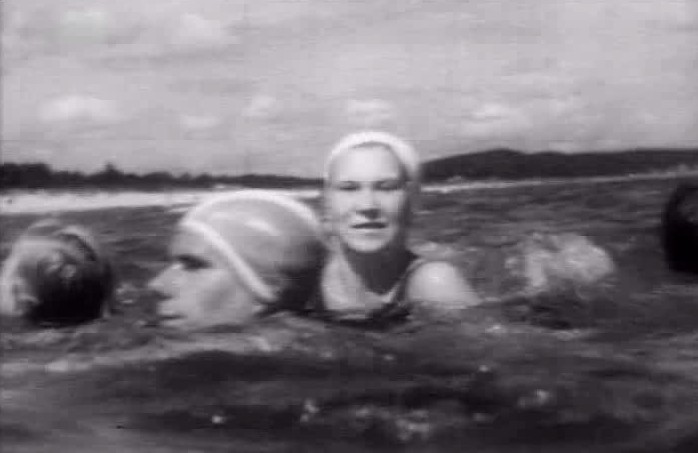
POMMERSCHES LAND (1968):
Commissioned by West Germany's Federal Ministry for Displaced Persons, Refugees, and War Victims, the purpose of the film was to use old film material to preserve and document the cultural landscape of the former eastern territories of Germany, which were yielded to other nations and whose Germanic populations were forcibly expelled after 1945.
In German with optional English subtitles. Approx. 13 mins. See film sample for audio and video quality!
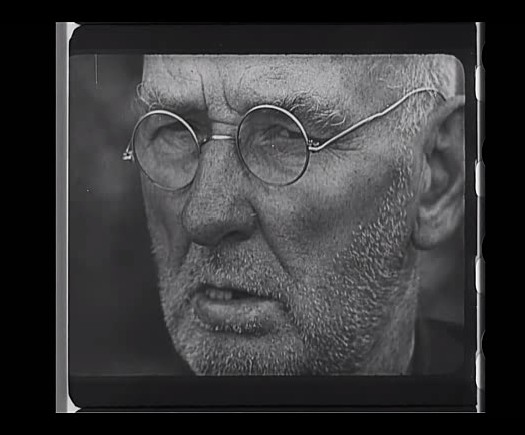
WARTIME NEWSREEL NR. 470 (07.09.1939):
This UfA-Tonwoche was the first newsreel put out after the opening of the Second World War and was designed to justify the Reich's invasion of Poland. It portrays Volksdeutsche as having been the victims of Polish terror, as well as the capture of Danzig and the shelling of Westerplatte.
In German with optional English subtitles. Approx. 23 mins. See film sample for audio and video quality!
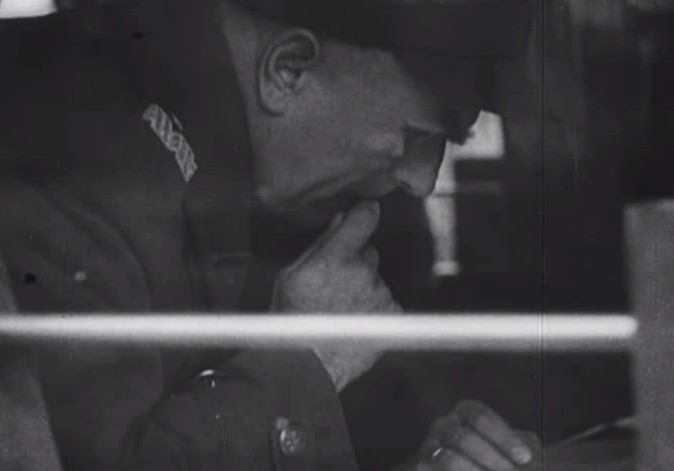
WARSAW SURRENDERS (1939):
Short, silent film distributed to Degeto Weltspiegel to celebrate the fall of the Polish capital. It was cleared for public viewing on 02 December 1939.
Silent film without text to translate. Approx. 3 mins. See film sample for audio and video quality!
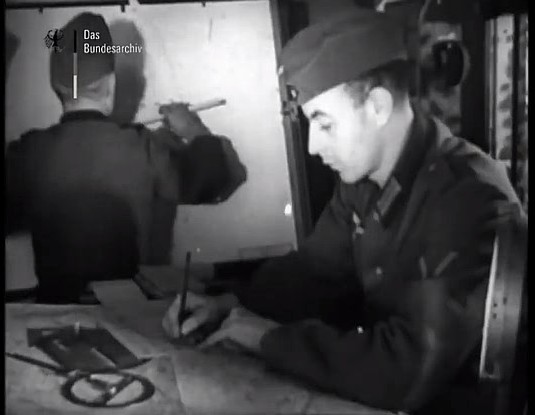
WEHRMACHT LEHRFILM NR. 412B (1943):
Aufklärende Artillerie was produced in 1943 as a German military training film focused on specialized target acquisition, flash spotting, and acoustic sound-ranging techniques for observation detachments. The film details the deployment of sound-ranging batteries and the technical process of using calibrated test firing to locate enemy artillery.
In German with optional English subtitles. Approx. 36 mins. See film sample for audio and video quality!
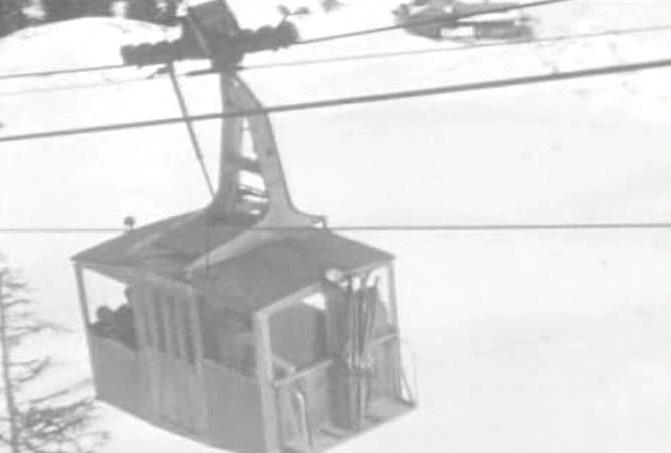
KITZBUHEL (1932):
Culture film put out in Weimar Germany about the town.
In German with optional English subtitles. Approx. 3 mins. See film sample for audio and video quality!
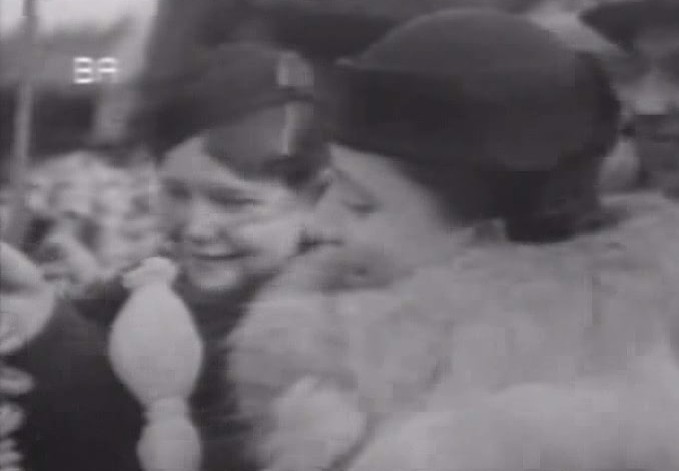
KULTURFILM - WILNA (1943):
Designed to be shown in cinemas before the main film, Kulturfilme were designed, among other things, to normalize the expansion of the Reich into foreign territories and/or present a heavily-altered view of reality. By 1943, Polish Wilno looked much different from what was shown in this film. Most of the city's vibrant and large Jewish community had by this time been shot in the Ponary forest 8km from the city and the German-established Jewish Ghetto was completely eradicated within months of the film being made. Amazingly, a very brief shot with narration shows the ghetto itself. There's extensive footage of the traditional Lithuanian Kaziukas Fair, a nod to German recognition of the city's Lithuanian population, although, prior to invasion, Wilno was majority Polish and Jewish. Idyllic views of the city and the peaceful life of people trading at open-air markets are emphasized, though anyone with a knowledge of what reality was back then can usually see what the cameras didn't want you to see.
In German with hard-encoded Lithuanian and optional English subtitles. Approx. 12 mins. See film sample for video quality!
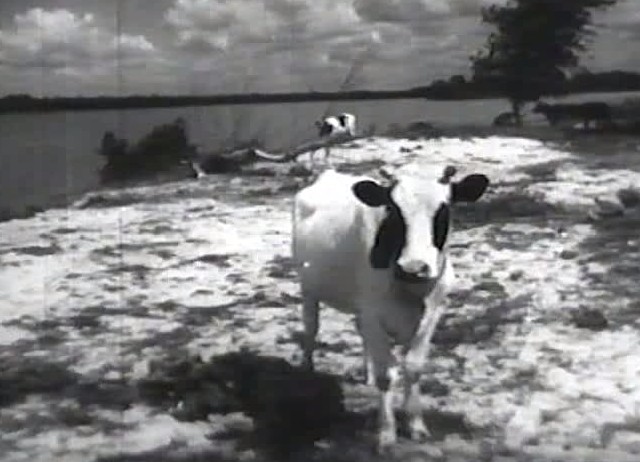
MUTTER OSTPREUSSEN (1943):
Originally made in 1936, the film can be dated to either 1943 or 1954 depending on how it was distributed after some monekying around with its content. It was designed to be a prewar Kulturfilm, but was altered in 1943 to foster regional morale in an area which would be in the crosshairs of the Red Army in the not-so-distant future. Its reissue in 1954 was designed to document the people and culture of the region before it was ceded to the Russians and Poles at war's end.
In German with optional English subtitles. Approx. 13 mins. See film sample for audio and video quality!
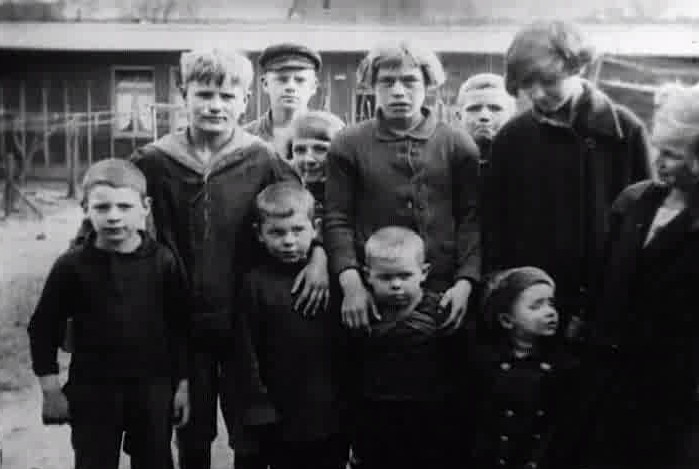
WOHNKULTUR (1928):
Living Culture, As It Was, As It Is, and As It Should Be! is a rather rare, short documentary and social-interest feature which served as a stark look at the urban crisis and avant-garde architectural shift in Weimar-era Germany. Centering around the city of Koln, the film concentrates on the self-help associations, which charged members a minimal fee to contribute to the cost of building communal apartments.
In German with optional English subtitles. Approx. 16 mins. See film sample for audio and video quality!
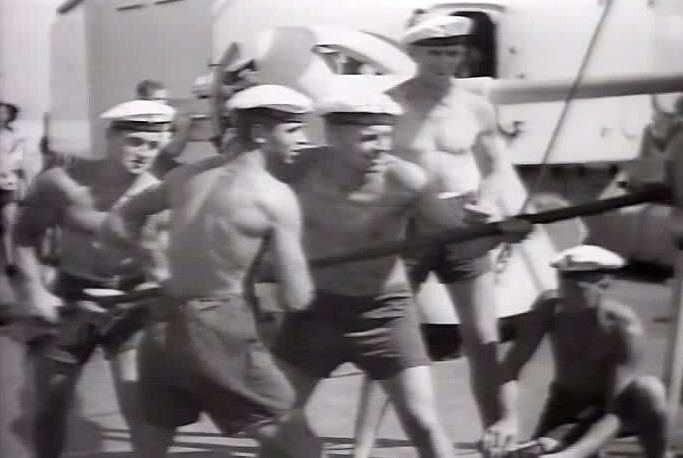
AUF GROSSER FAHRT (1936):
Film which centers on the cruiser Karlsruhe, a Konigsberg-class light cruiser in the service of the Kriegsmarine. The cruiser undertakes a massive training voyage, while, at the same time, showcasing Germany's might to nations where the ship docks. There's footage of routine maneuvers, onboard military training, and the daily life of young sailors at sea. More interesting, however, is the travellogue footage of South American, Latin American, and North American ports where the ship arrives and where its crew interacts with the locals; especially with the Auslanddeutschen, who live in these places, and, if the film is to be believed at face value, play a significant part in their adopted homes as "representatives" of the new German political situaiton (ie., fifth-columnists). As a footnote, the "peaceful" maritime activity of the Karlsruhe ended with its scuttling in 1940, when it was torpedoed by a British submarine during the invasion of Norway in April of that year.
In German with optional English subtitles. Approx. 70 mins. See film sample for audio and video quality!
DVD-R is approximately 247 minutes with optional English subtitles available for all films.